The Last Supper
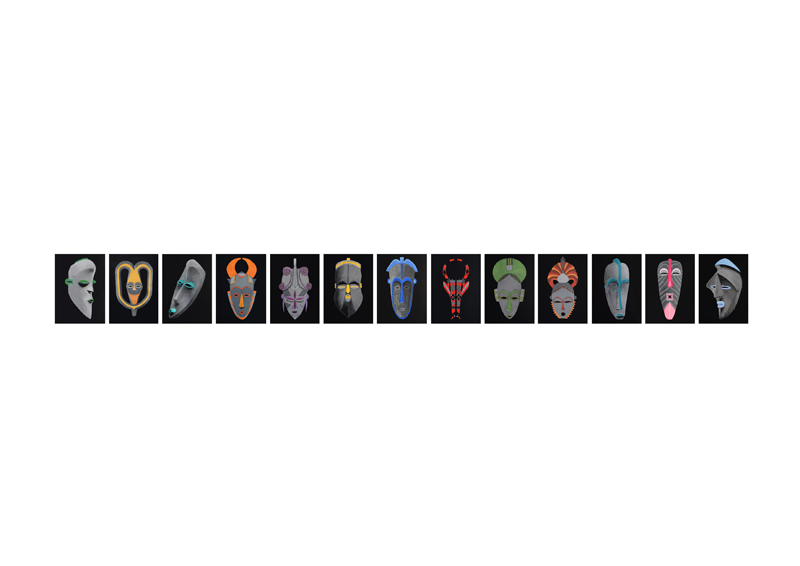
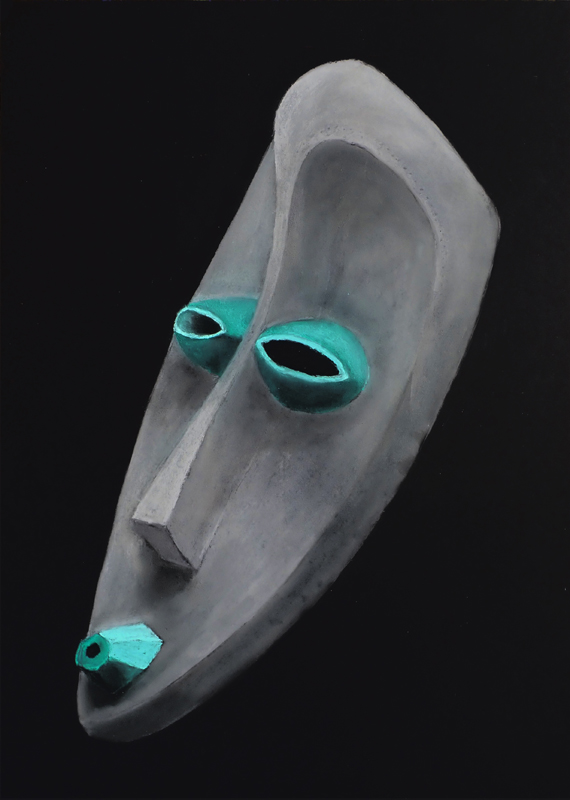
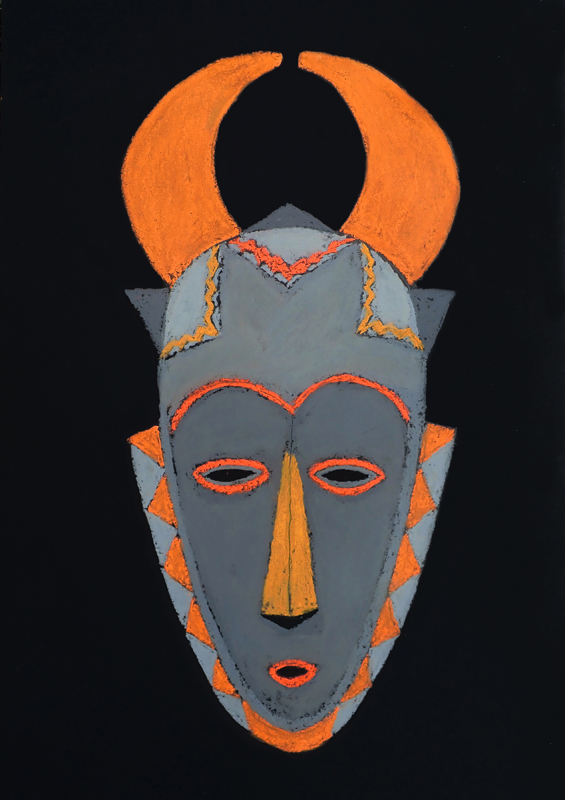
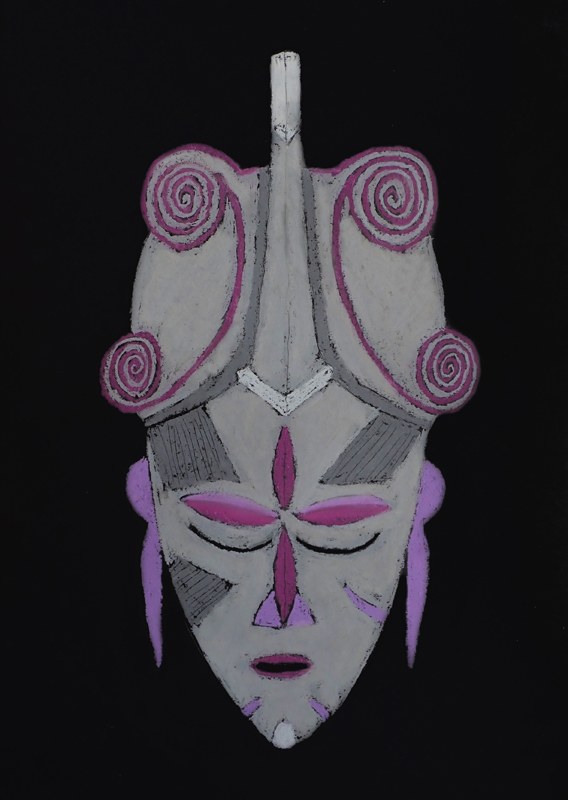
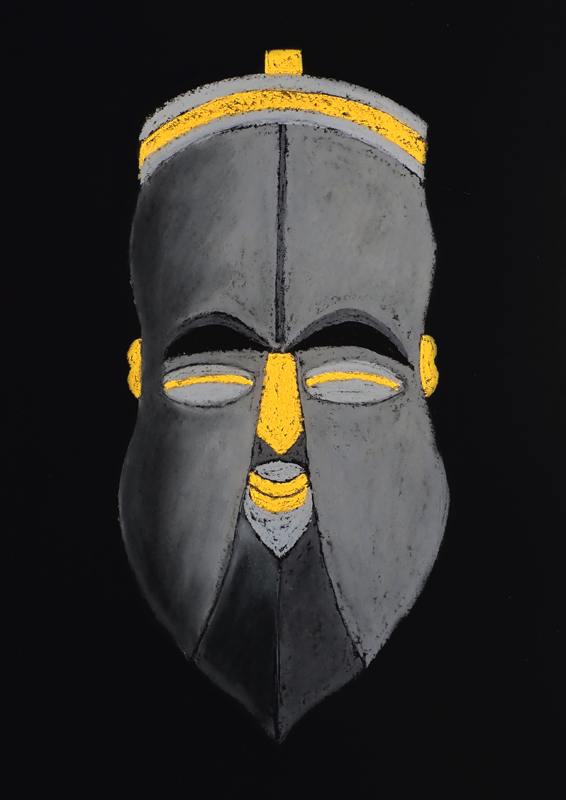
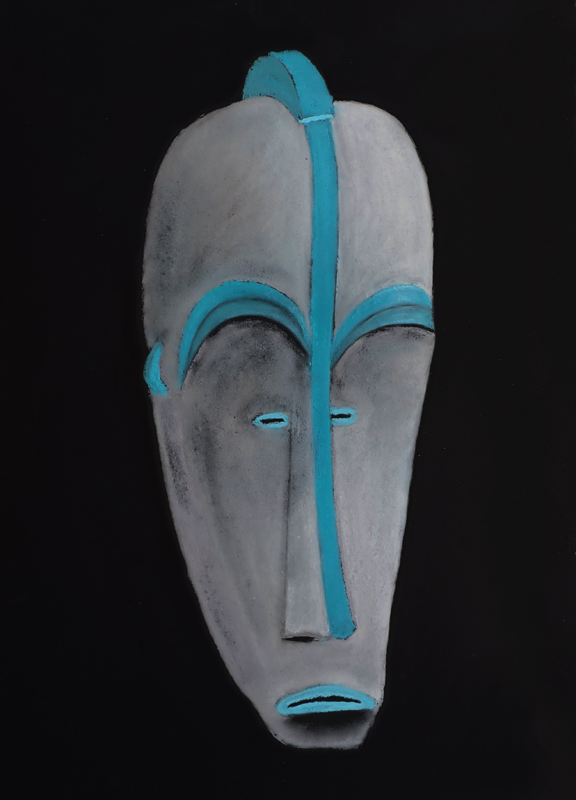
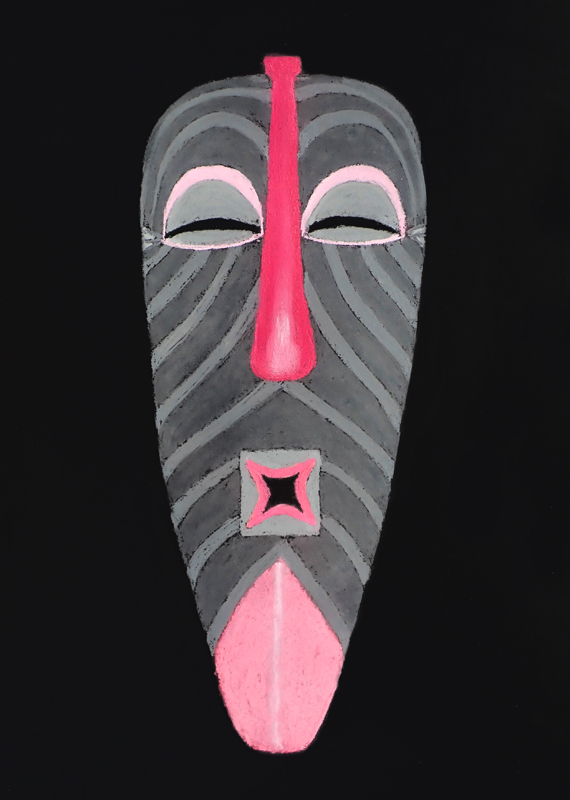
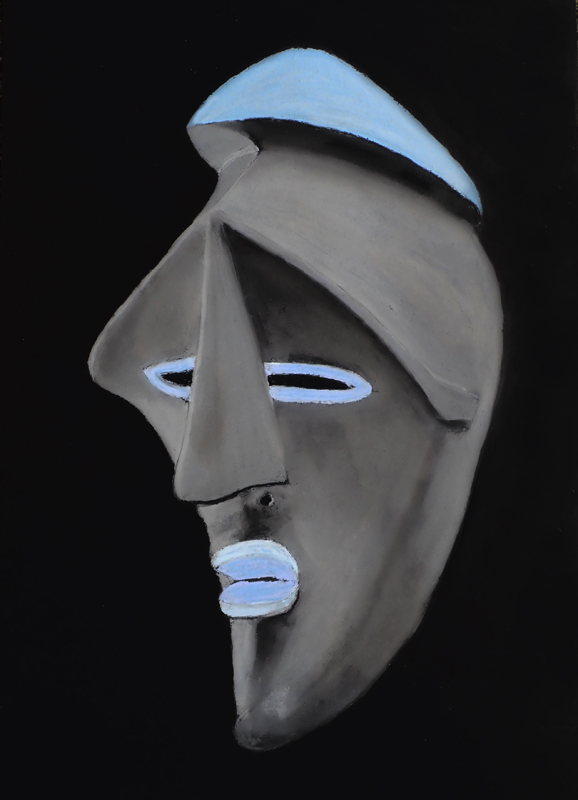
The starting point for engaging more intensively with African masks was the results I had gained from earlier studies on the themes of polarity, symmetry, and the human face. But the specific aesthetics of these objects—whose influence on European art has been evident so many times in the past—also provided me with an entry point.
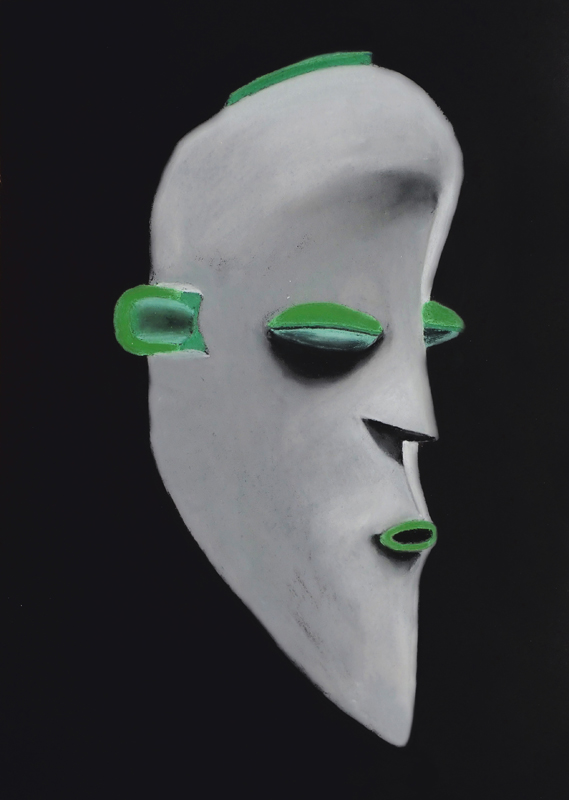
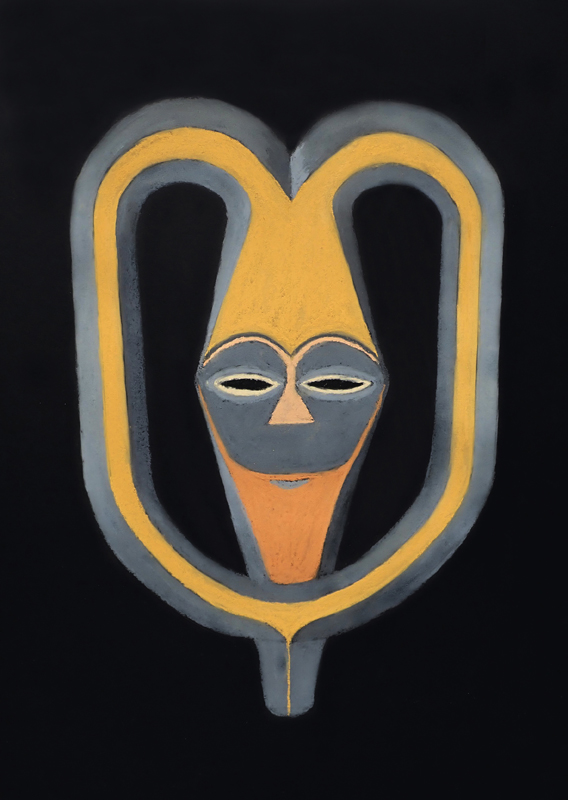
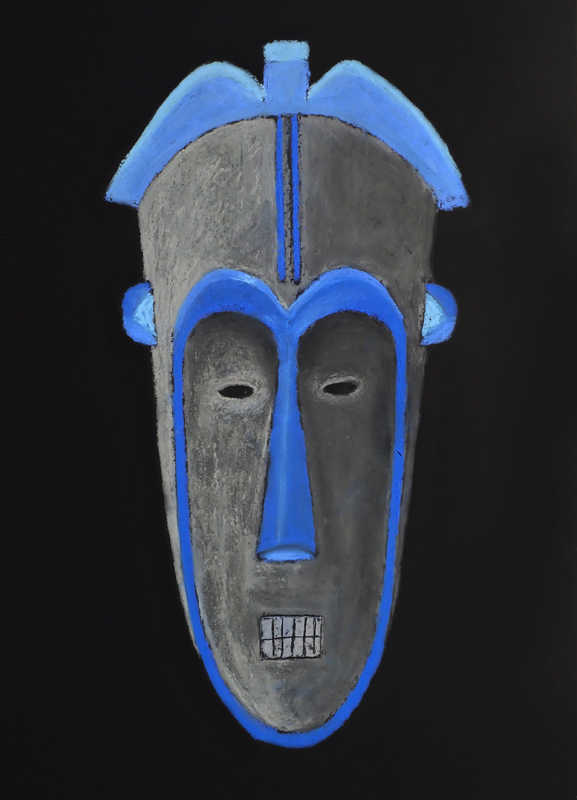
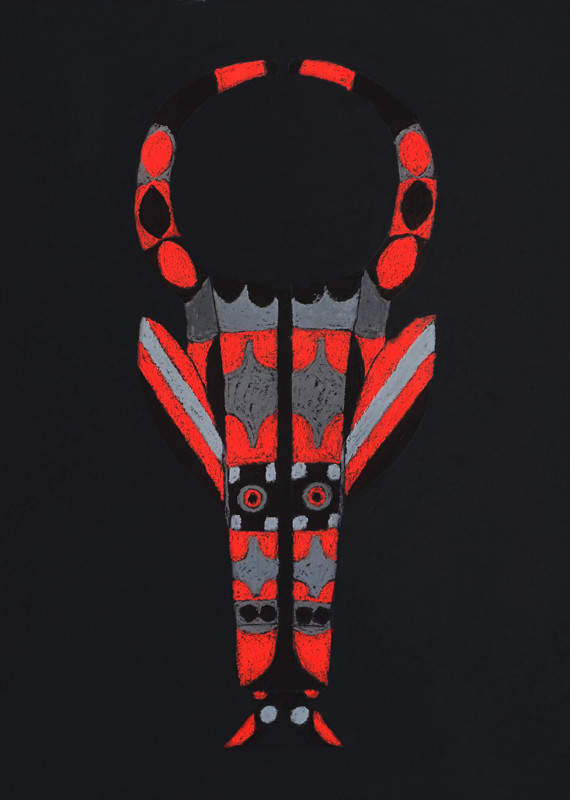
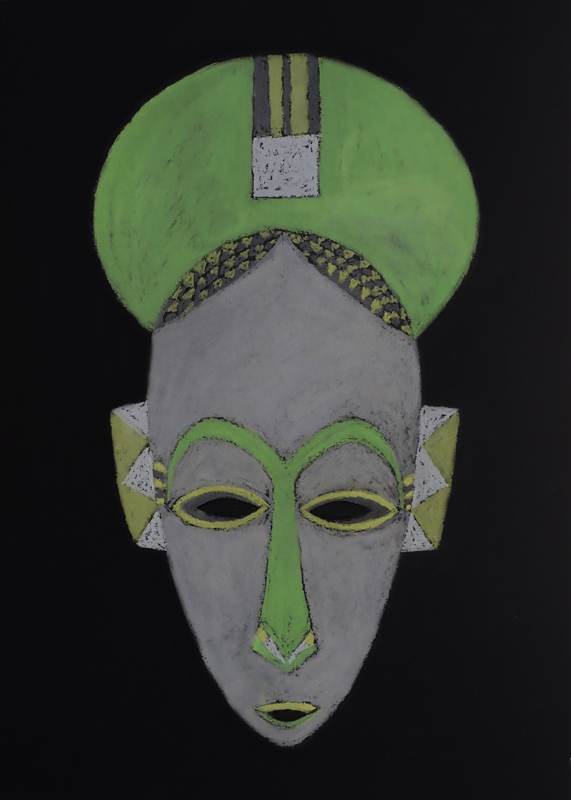
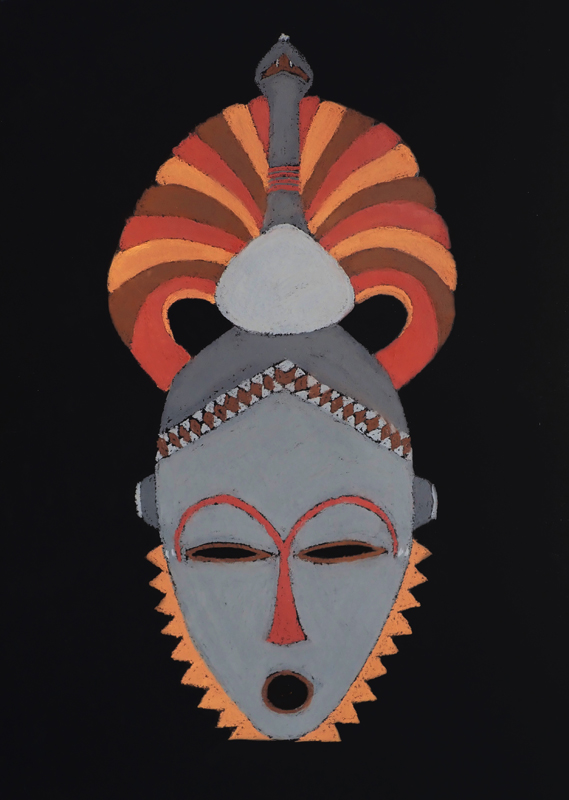
The first mask created in this series was the red Duala mask from Cameroon. It is the only one that stylizes an animal—perhaps a wildebeest. In this case, I was inspired by an illustration in a book. The second mask I made was the dark blue Fang mask from Gabon. It features 12 stylized teeth. This gave me the idea of quoting Leonardo da Vinci’s Last Supper: 13 different masks, with the dark blue mask representing Jesus in the central position. However, unlike Leonardo, who depicted the scene with figures and assigned each disciple a zodiac sign with a specific gesture, I decided to take a different approach—namely, to assign a color to each mask or disciple. I deliberately avoided assigning a specific color to a specific disciple. Instead, I wanted to derive all individual colors from the three primary colors: red, blue, and yellow. The four secondary colors (orange, violet, green, and dark brown) then emerge from mixtures of these three primary colors. The corresponding masks are painted in frontal view, while the masks in the tertiary colors are also rendered sculpturally.The assignment of the tertiary colors to six additional masks was continued according to the principle of complementarity. These six masks form two groups of three, in which four masks are shown in profile, so that the two remaining masks—shown in frontal view—are enclosed by them, in a manner similar to Leonardo’s composition. The light blue Lwalwa mask from the Congo again contains the sky blue in which the blue of Jesus’s mask is already present. Thus—with the male child—the cycle must be imagined as beginning anew from the center. The masks in the secondary and tertiary colors are additionally designed with a specific number of intermediate tones—counted from the inside outward—with two to four different color shades. All masks are also painted using gray tones, with only three cool gray values employed. At the same time, all masks are presented on black photographic cardboard and framed with black mats that trace the profile lines of the faces (not visible on the website). White was deliberately avoided. This is intended to refer to the origin of the arrangement, namely sub-Saharan Africa and its people.