
12 leafs
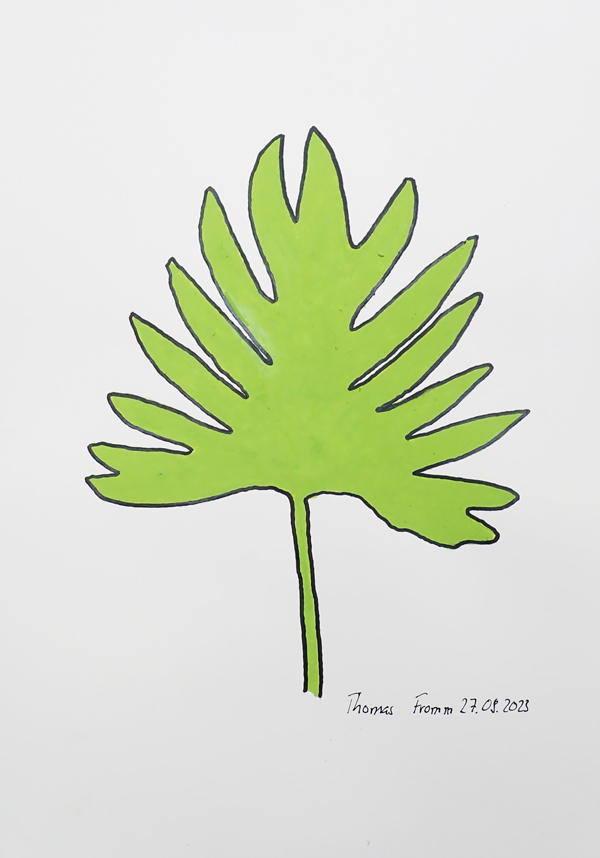
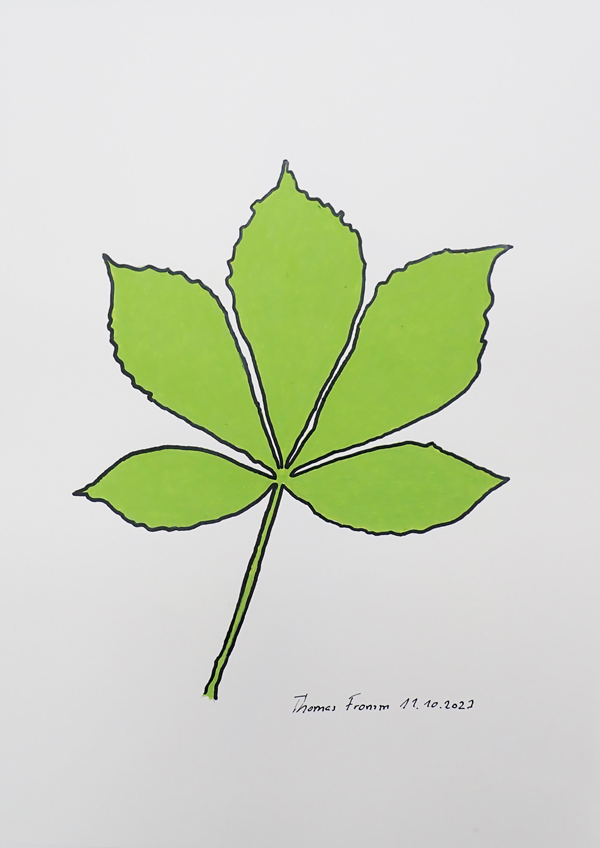
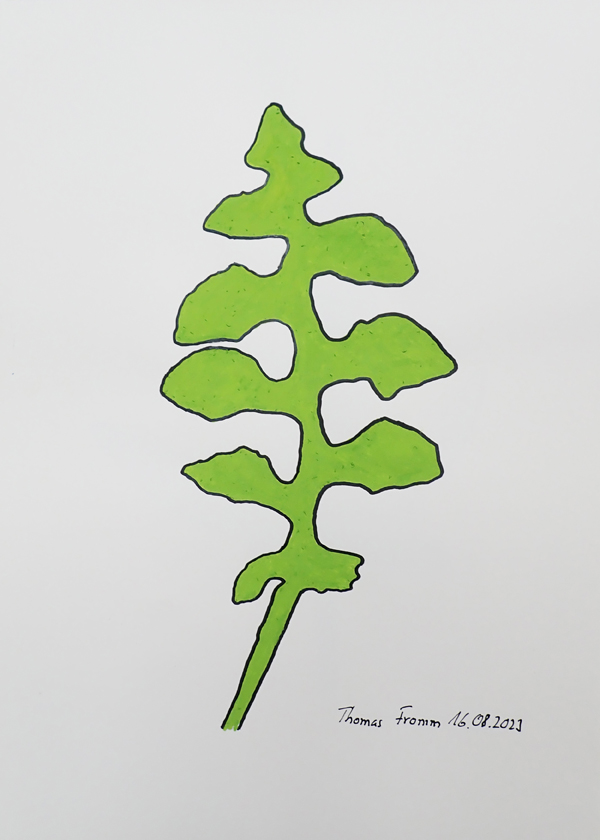
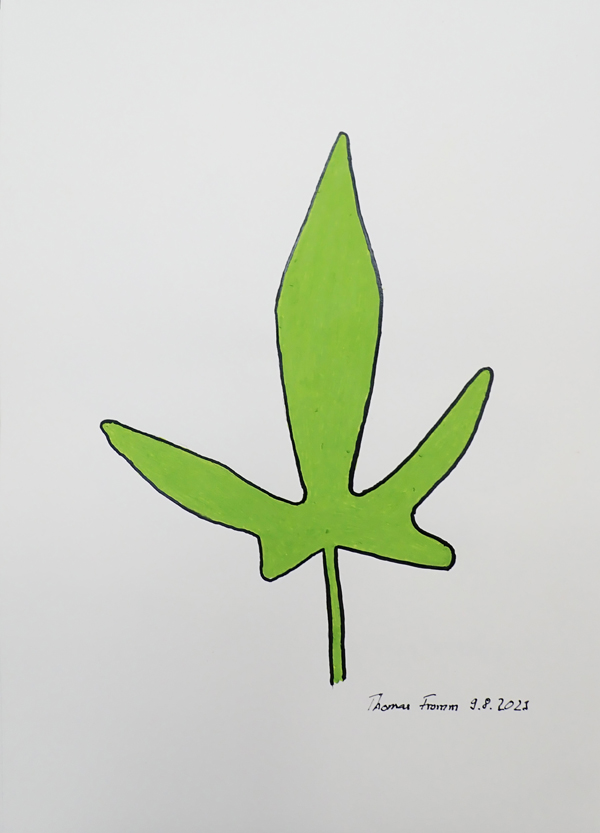
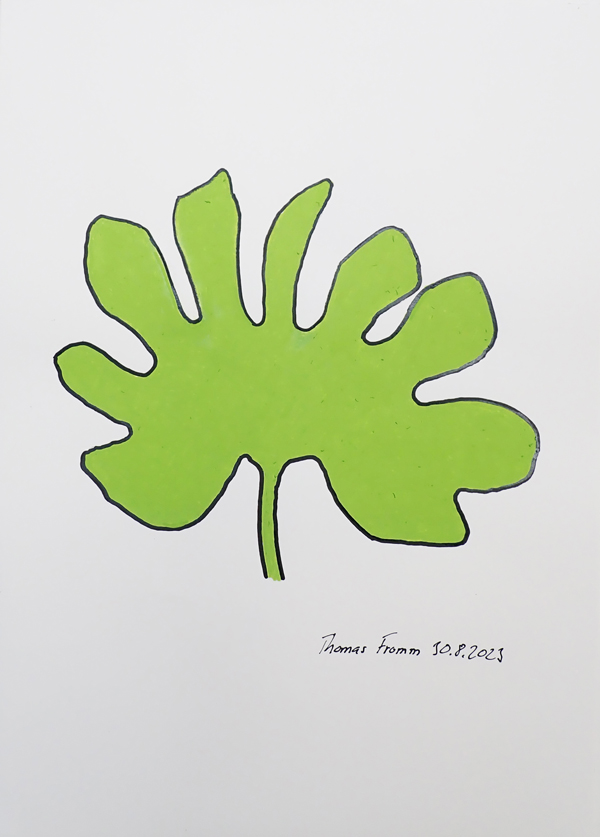
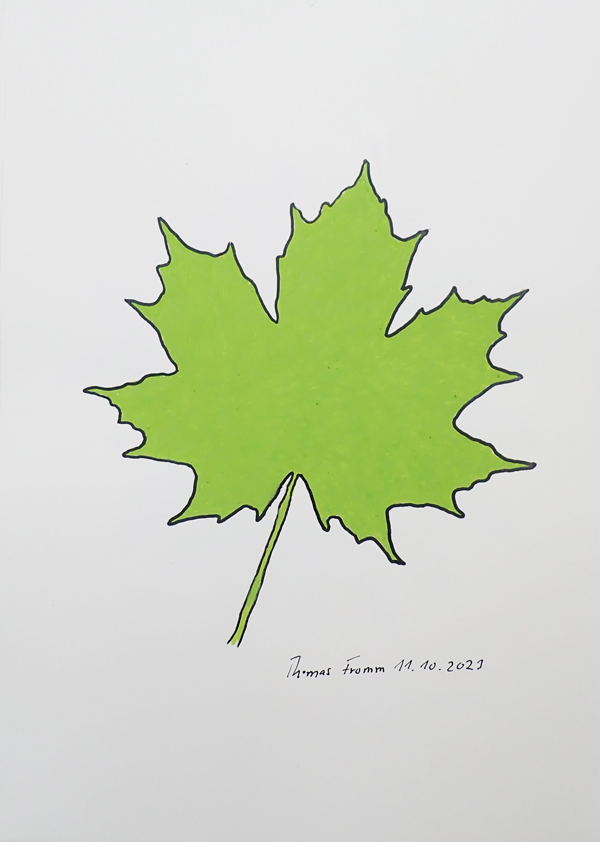
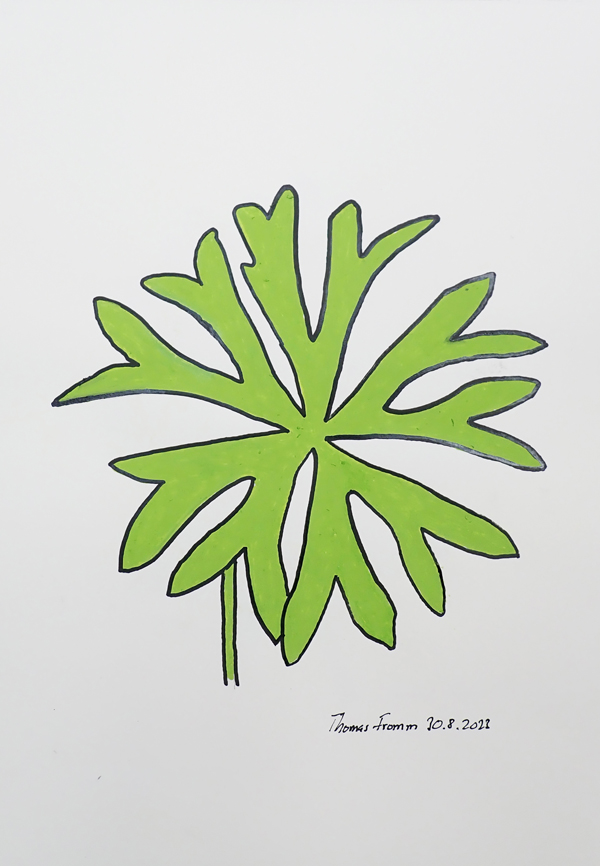
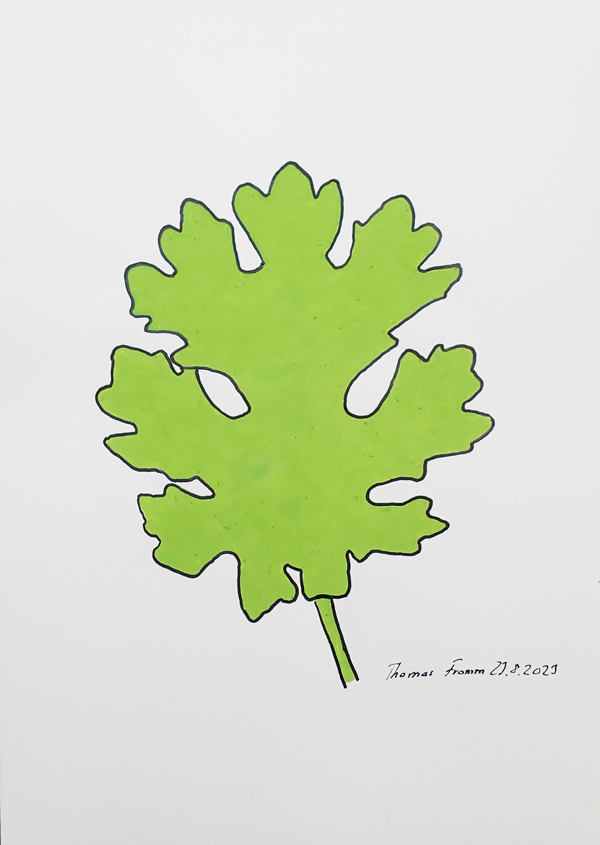
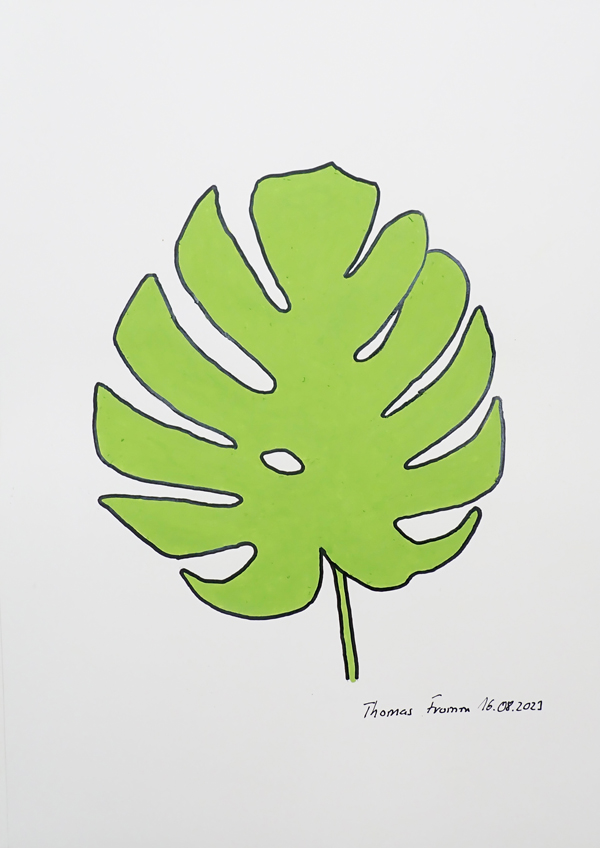
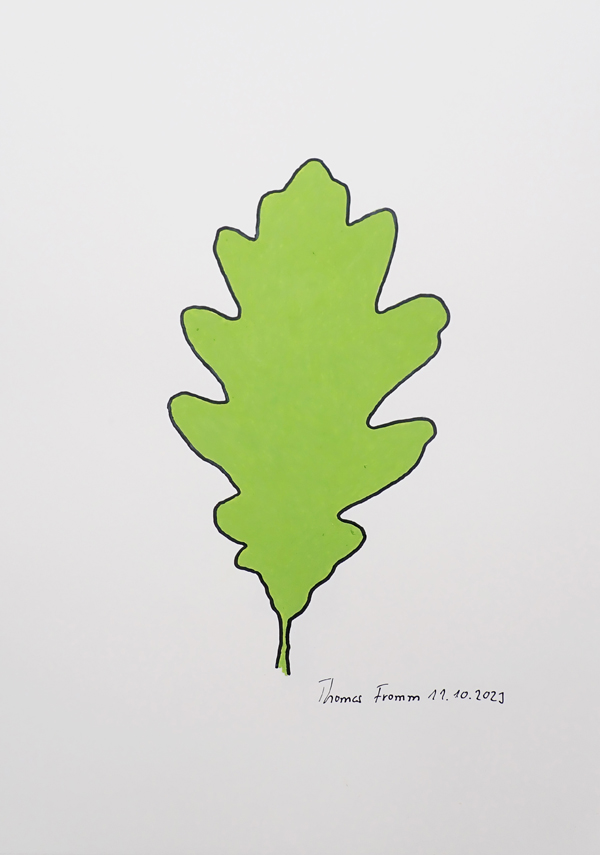
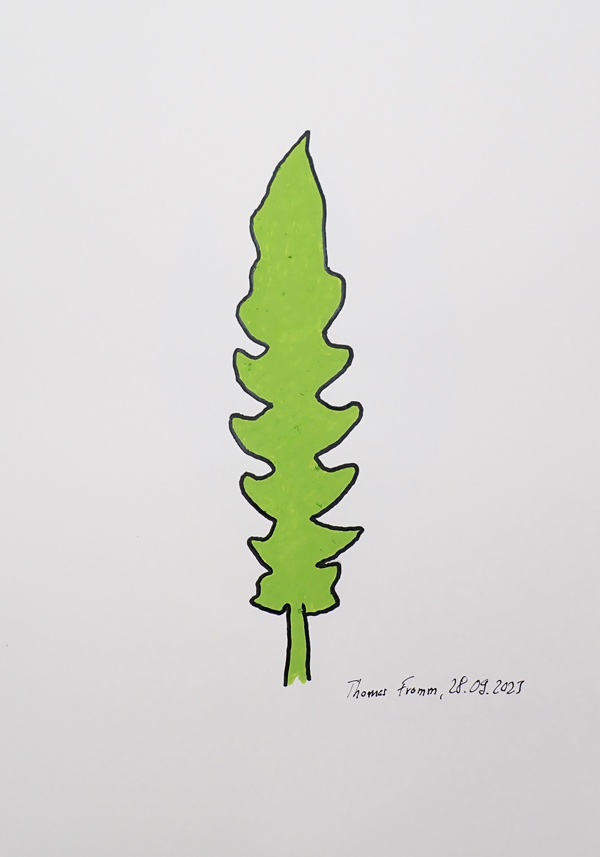
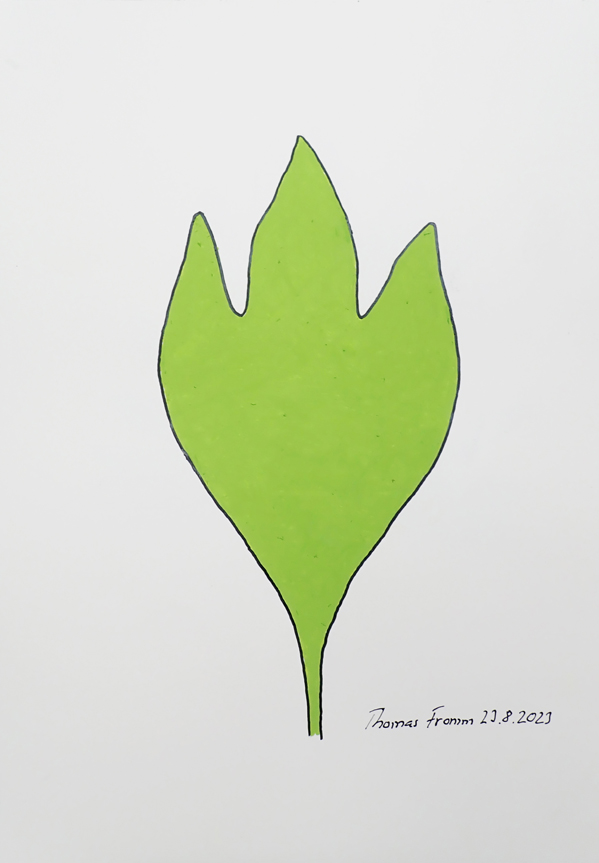
In my work, I am interested in the tension between art and science. I am particularly concerned with the question of the limits of the expressive power of art and science and whether, perhaps, the artistic and the scientific perspectives together can explain the manifestations of matter more fully and comprehensively. How much art form is inherent in natural form? – Attempting to answer this question is a central concern for me.
In his 1859 work "On the Origin of Species," Charles Darwin provided a compelling theory for the emergence and transformation of species. With the advent of Neo-Darwinism in the 20th century, the phenomenon of evolution became an established fact. Many phenomena in the living world could now be plausibly explained solely through mutation and selection. Many, but not all. Among the phenomena that cannot be explained merely by chance and necessity are, for example, the leaf shapes of terrestrial plants.
There are about 280,000 species of terrestrial plants on our planet. These include mosses and ferns, as well as gymnosperms and angiosperms, such as conifers and flowering plants. All these species have one thing in common: they form leaves, each with a species-specific shape. These organs serve only one function: to collect light in order to perform photosynthesis in their cells. Why, then, the enormous diversity in the design of leaf shapes, when strictly speaking, a single leaf shape optimally adapted to this one function would suffice? Nature evidently acts here as a true artist, as this ideal, archetypal form of a leaf simply does not seem to exist. Here, design – and thus art – becomes an inherent drive of living matter toward expression, which seems detached from any utility and perhaps serves only the ideal of beauty. At the same time, an extraordinary morphogenetic plasticity of living matter must be a prerequisite for this, about the how and why of which we remain entirely in the dark.
Although there is certainly much anthropocentrism in this statement, it is not entirely far-fetched to assume that the great diversity of leaf shapes – and with it their immense beauty – perhaps serves a function as a form of pre-adaptation: to not only delight us humans but also to inspire awe in us, ultimately obligating us to protect and preserve this treasure.